What You Need to Know
We often think of injuries as sudden events—a trip on the sidewalk or a heavy lift gone wrong. However, many injuries aren’t just “accidents”; they are the result of a silent, underlying issue: muscle imbalance.
At Divine Touch Chiropractic, we see how these imbalances act like a “glitch” in your body’s machinery, leading to wear, tear, and eventually, pain. Here is how muscle imbalances happen and how you can protect yourself.
What Exactly is a Muscle Imbalance?
Your body operates in pairs. For every muscle that pulls, another must relax or stabilize. A muscle imbalance occurs when one muscle becomes too tight or overactive, while its opposing muscle becomes weak or underactive.
Think of it like a tug-of-war where one side is much stronger than the other. The rope (your joints and ligaments) ends up taking the brunt of that uneven tension.
Common Examples:
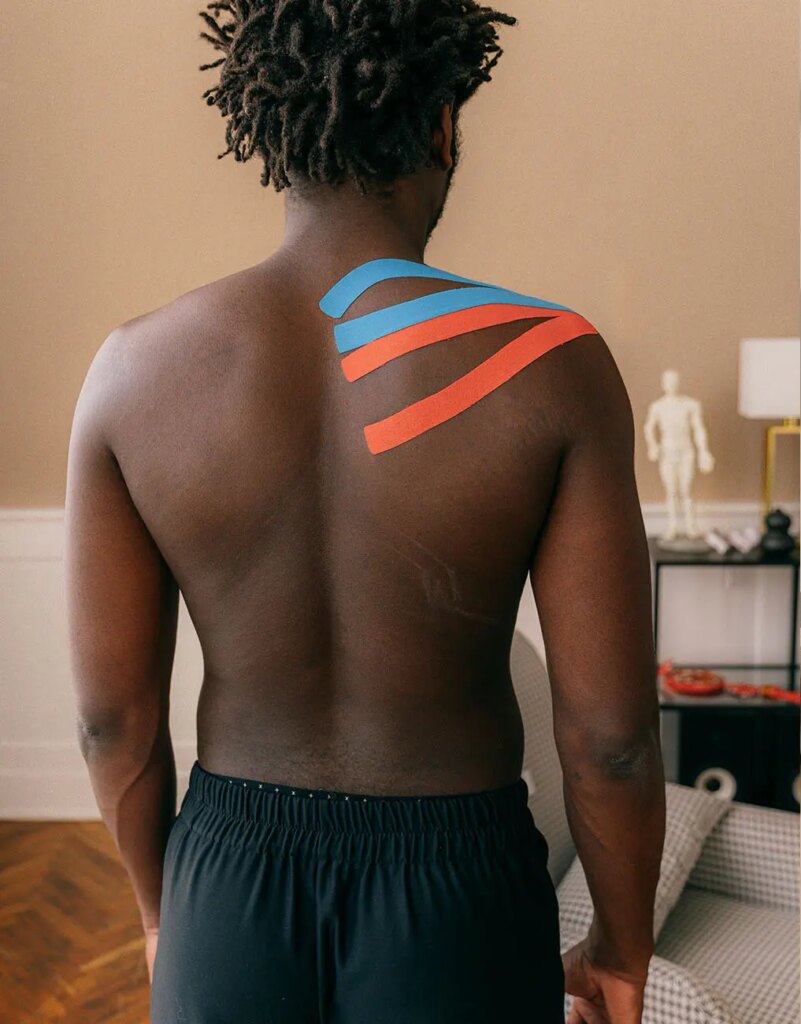
The “Desk Worker” Slouch: Tight chest muscles paired with weak upper back muscles, leading to rounded shoulders and “tech neck.”
- The “Runner’s Knee”: Strong quadriceps that overpower the hamstrings, pulling the kneecap out of alignment.
- The Lower Back Ache: Tight hip flexors from sitting all day combined with weak glutes, which forces the lower back to overcompensate.
Why Imbalance Leads to Injury
When your muscles aren’t balanced, your body starts to “cheat.” This is called compensation. To get a movement done, your body uses muscles that weren’t designed for that specific job.
Increased Joint Stress: Imbalanced muscles pull joints out of their natural alignment, leading to accelerated wear and tear (osteoarthritis).
- Increased Joint Stress: Imbalanced muscles pull joints out of their natural alignment, leading to accelerated wear and tear (osteoarthritis).
- Reduced Mobility: Tight muscles limit your range of motion, making you more likely to strain a muscle during a sudden movement.
- Altered Nerve Signals: The nervous system controls muscle contraction. When the spine is misaligned, nerve signals can become "noisy," causing muscles to fire incorrectly.

How Chiropractic Care Restores Balance
Many people are surprised to learn that chiropractic care is about much more than just “cracking” the back. It is a holistic approach to making sure your nervous system and muscles are communicating perfectly.
- Spinal Realignment: When your spine is aligned, your weight is distributed evenly, preventing one side of your body from working harder than the other.
- Soft Tissue Therapy: We use techniques to release chronically tight muscles that are "stuck" in an overactive state.
- Corrective Exercises: We don't just fix you in the office; we provide targeted stretches and strengthening moves to do at home to wake up those "sleepy" muscles.
Signs You Might Have an Imbalance
- You feel more fatigued on one side of your body after a workout.
- One shoulder sits higher than the other in the mirror.
- You have a “hitch” in your stride or your shoes wear down unevenly.
- You experience recurring aches in the same spot (like the right side of your lower back).
Ready to Find Your Balance?
Don’t wait for a muscle strain to sideline you. Identifying these “silent” risks now can save you from months of recovery later.